Petley Limited

Property held and let on the company’s own account

Private property company · London N16

Property held, let and traded on the company's own account

Petley Limited owns residential and commercial property. It lets that property directly, and from time to time it buys and sells. Everything it does, it does for itself.

The company deals as principal in every case — as the owner on the title, the landlord on the tenancy, and the buyer or the seller in a transaction. When you deal with Petley Limited about a building, you are dealing with the party whose name is on the title.

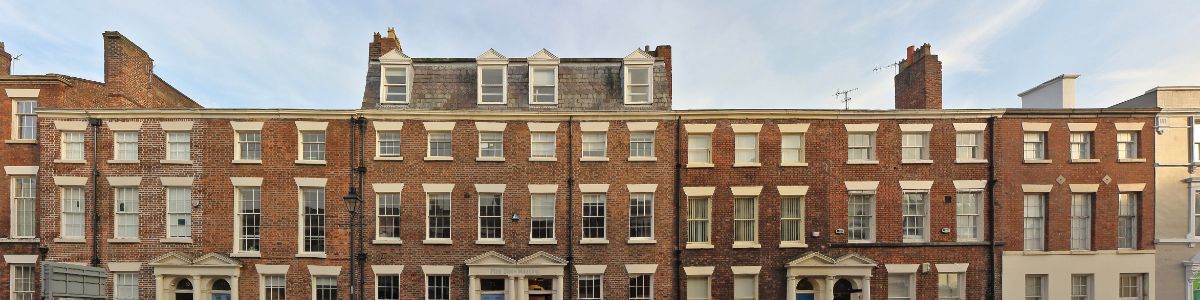
A long brick terrace of Georgian townhouses with sash windows and stone lintels, photographed from across the street.
A London terrace. Image credits.
01

What the company does

Three things, all of them for itself: it owns buildings, it lets them, and now and then it buys or sells one. The people it deals with are its tenants, and the owners, solicitors and agents who write to it about property.

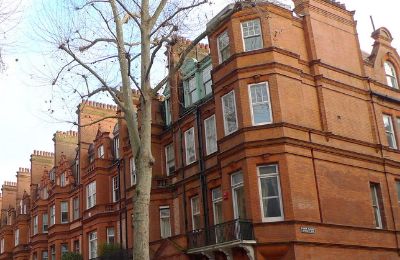
A red-brick mansion block of flats with bay windows and tall chimneys, seen from the pavement.
Ownership

Holding

Residential and commercial property, bought and registered in the company's own name: houses, flats formed within older houses, flats in purpose-built blocks, and commercial buildings. What happens to one afterwards — kept, repaired, altered or sold — the company decides itself.
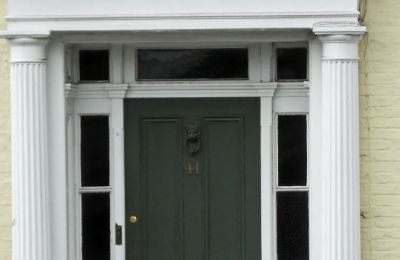
A painted timber front door in a columned porch, with fanlight and side windows above.
Letting

Letting

Where a property is available, the company lets it direct to the occupier — residential tenancies and commercial leases alike. The rent, the term and the obligations on each side are set out in a written agreement, and repairs are arranged by the company as owner.

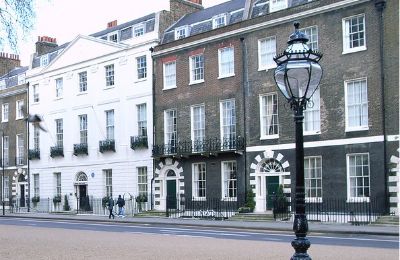
A pair of stucco-fronted and brick townhouses on a London square, with a cast-iron street lamp in the foreground.
Buying & selling

Dealing

The company buys occasionally and sells occasionally, on its own account, and judges each building on its own merits. Approaches from owners, solicitors and agents are read and answered either way.

02

How an enquiry is dealt with

  1. You get in touch

    Say what you are looking for and when, or name the building your enquiry concerns. A letter, an email and a telephone call all reach the same place.

  2. The position is checked

    Your enquiry is measured against what the company has available, or against the building you have named, and you are told where matters stand.

  3. Terms are put in writing

    The rent or the price, the term and the obligations on each side belong to a particular building. They are settled for that letting or that sale and signed by both sides.

Offering a property

Owners, solicitors and agents write to the company about buildings, and each approach is read and answered either way. A proposal is easiest to answer when it gives the address and tenure, whether the building is vacant or let, and the price sought.

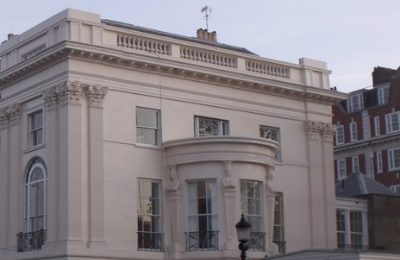
A white stucco corner villa with a curved bay and classical columns, under a clear sky.
03

Getting in touch

Whether you are asking about renting, about a building you own, or about a property the company already holds, say what you need and where the property is. Enquiries are answered on their merits, and if the company cannot help it will say so.